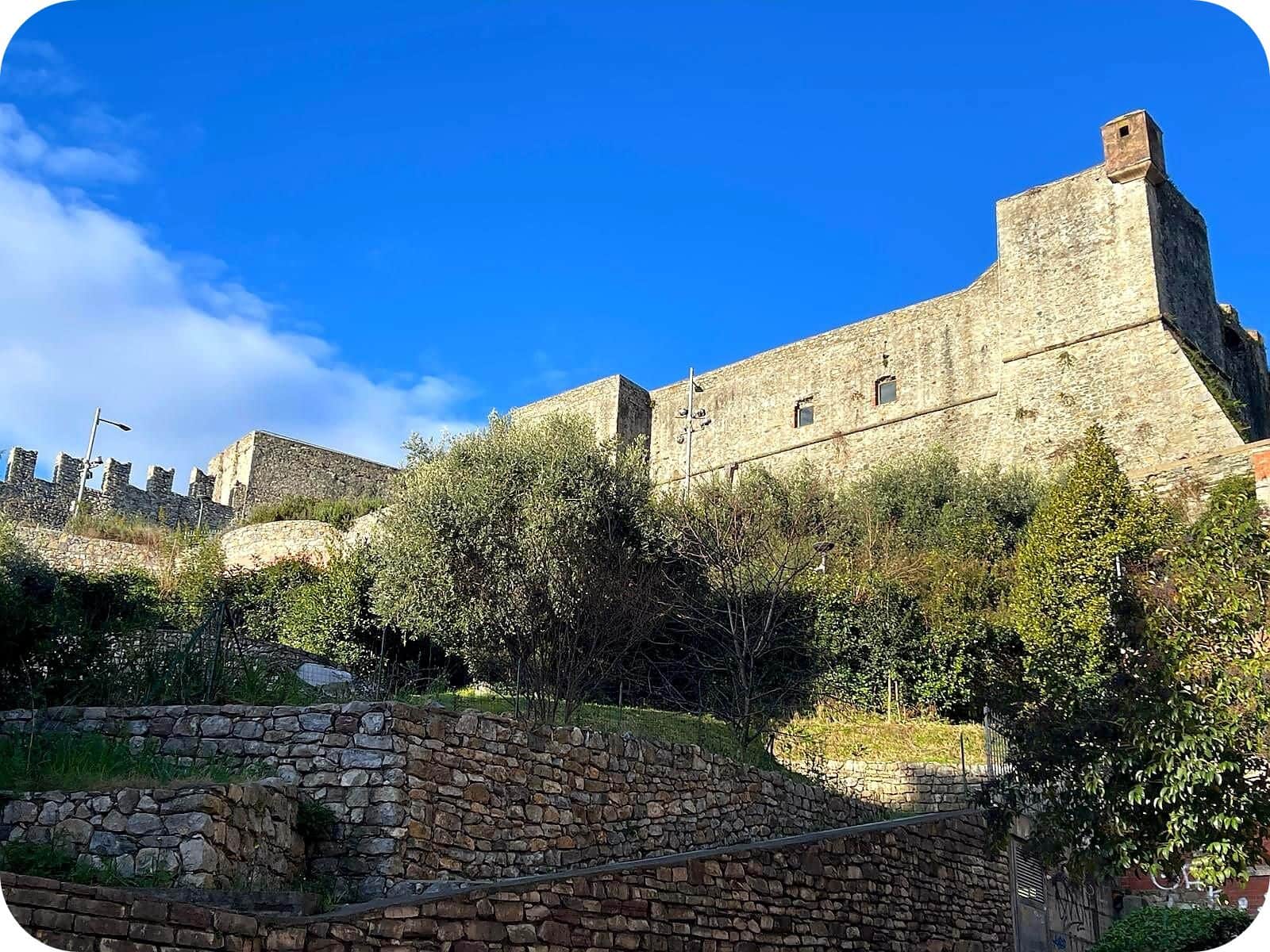
Castello di San Giorgio
The Castello di San Giorgio, named after Saint George, has been a military fortification since 1262. It can be accessed via Via XXVII Marzo, which runs through the remains of the former city walls.
The castle is home to the Archaeological Museum, which displays artifacts from historical Lunigiana. Although this extensive region is not officially recognized within today’s administrative boundaries, it has a distinct cultural identity.
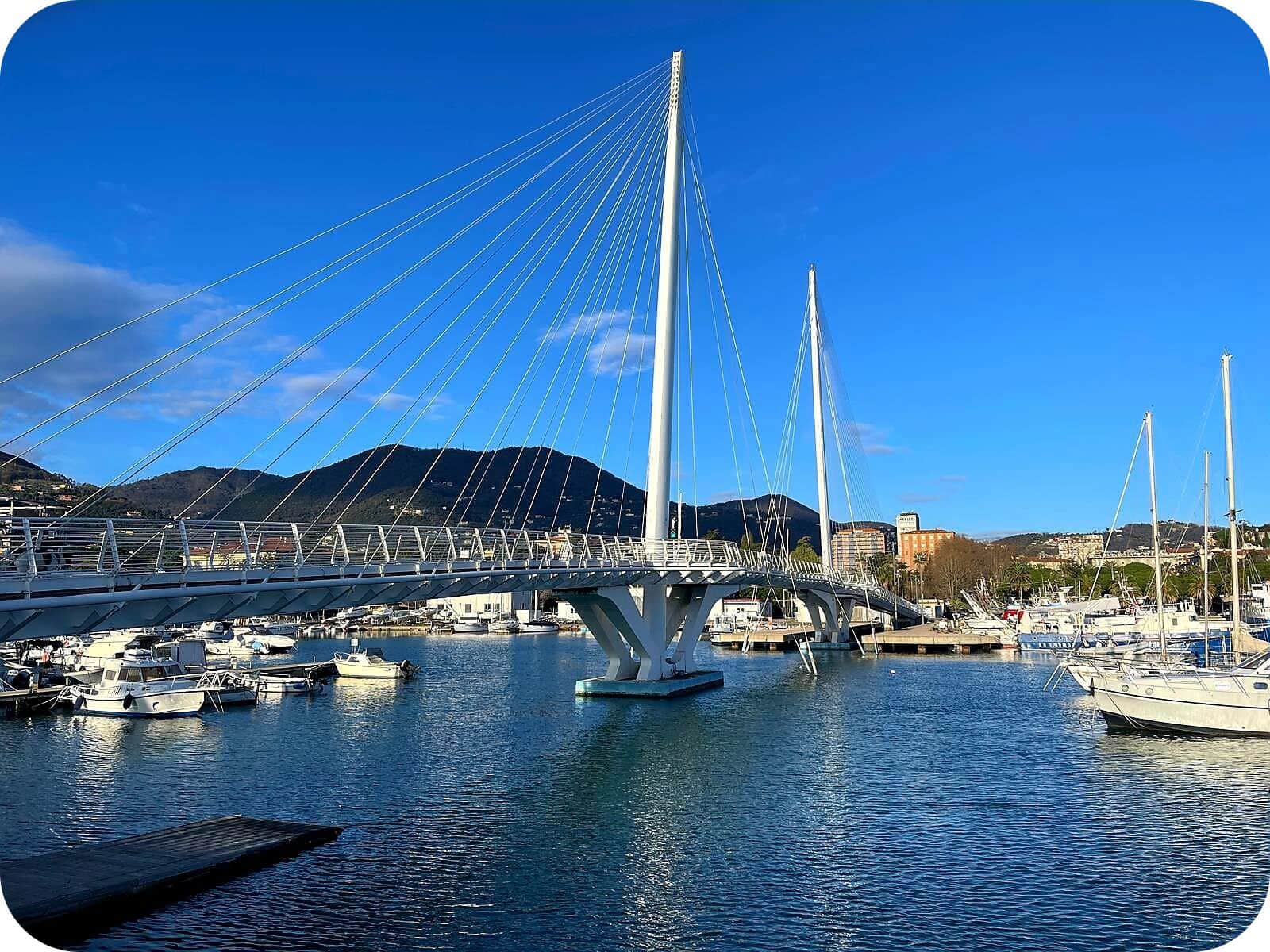
Ponte Thaon di Revel
The Costantino Morin promenade stretches along the coastline of La Spezia and leads to the bridge named after Admiral Paolo Emilio Thaon de Revel, which was built in 2013.
This bridge is the result of a thorough analysis of the local context and is inspired by the maritime tradition. It features a fine white line that connects both sides, effectively giving the city an additional portion of the sea.
The overall structure resembles the framework of boats constructed in local shipyards, with a clear division between the yard and the deck that comes together in a central span.
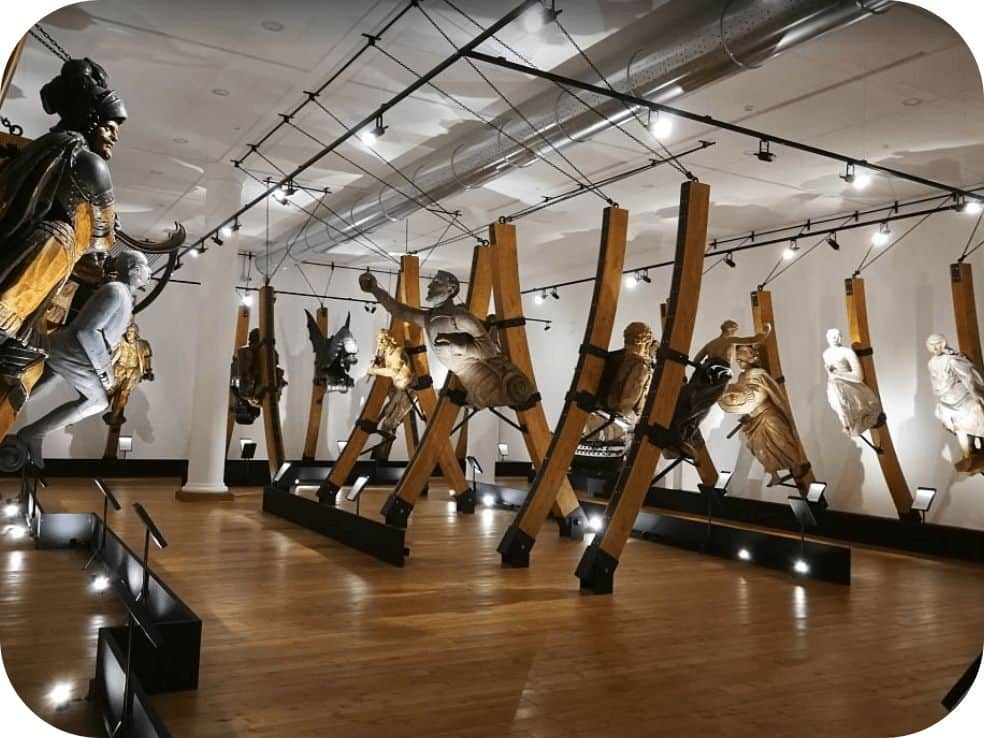
Museo Tecnico Navale
Since 1870, La Spezia has been home to the oldest naval museum in the world. Originally established in the 16th century in Villefranche-sur-Mer, it was the first military naval base of the Savoy dynasty. Over the years, the collection of artifacts suffered significant damage during the French Revolution and subsequent wars, particularly during World War II.
Today, the museum features a diverse range of technical and historical exhibits that highlight various aspects of maritime tradition and culture.
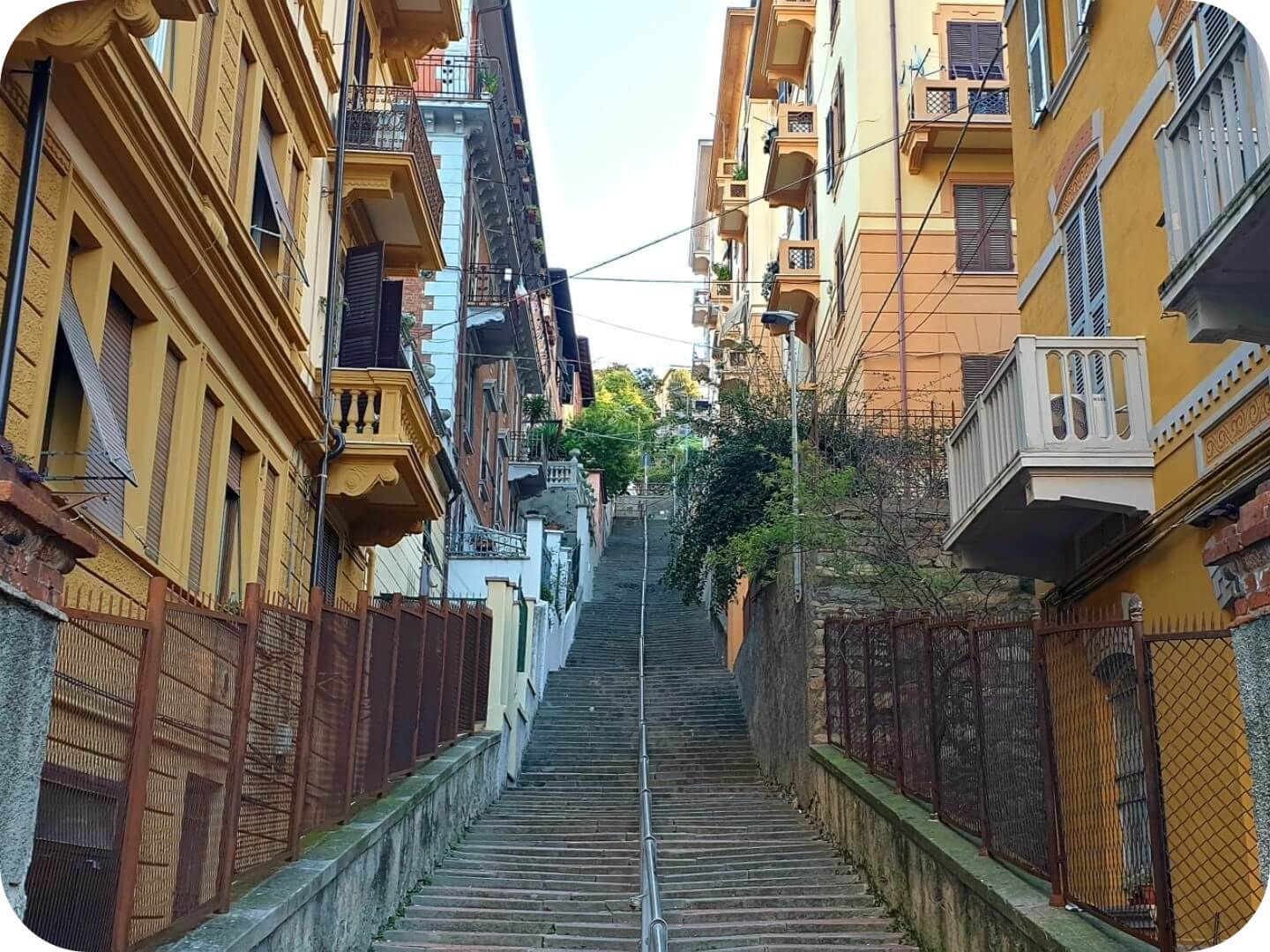
Le Scalinate
The hilly landscape surrounding the Gulf of La Spezia has significantly influenced the city's shape and development. The first settlement was established on Poggio Hill and in the adjoining plain toward the sea, where the Castle of San Giorgio provided protection. Since the Middle Ages, this area has served as a marketplace, strategically located equidistant from the villages perched on the hills, which were built to defend against frequent corsair attacks.
All the historic hilltop villages are connected to the city by stairways and paths. Residents of these villages traditionally traveled to La Spezia for trade via mule tracks that descended steeply to the plain. As the city expanded, particularly with the construction of the Military Arsenal, these paths transformed into elegant stairways, offering stunning views of the surrounding area.
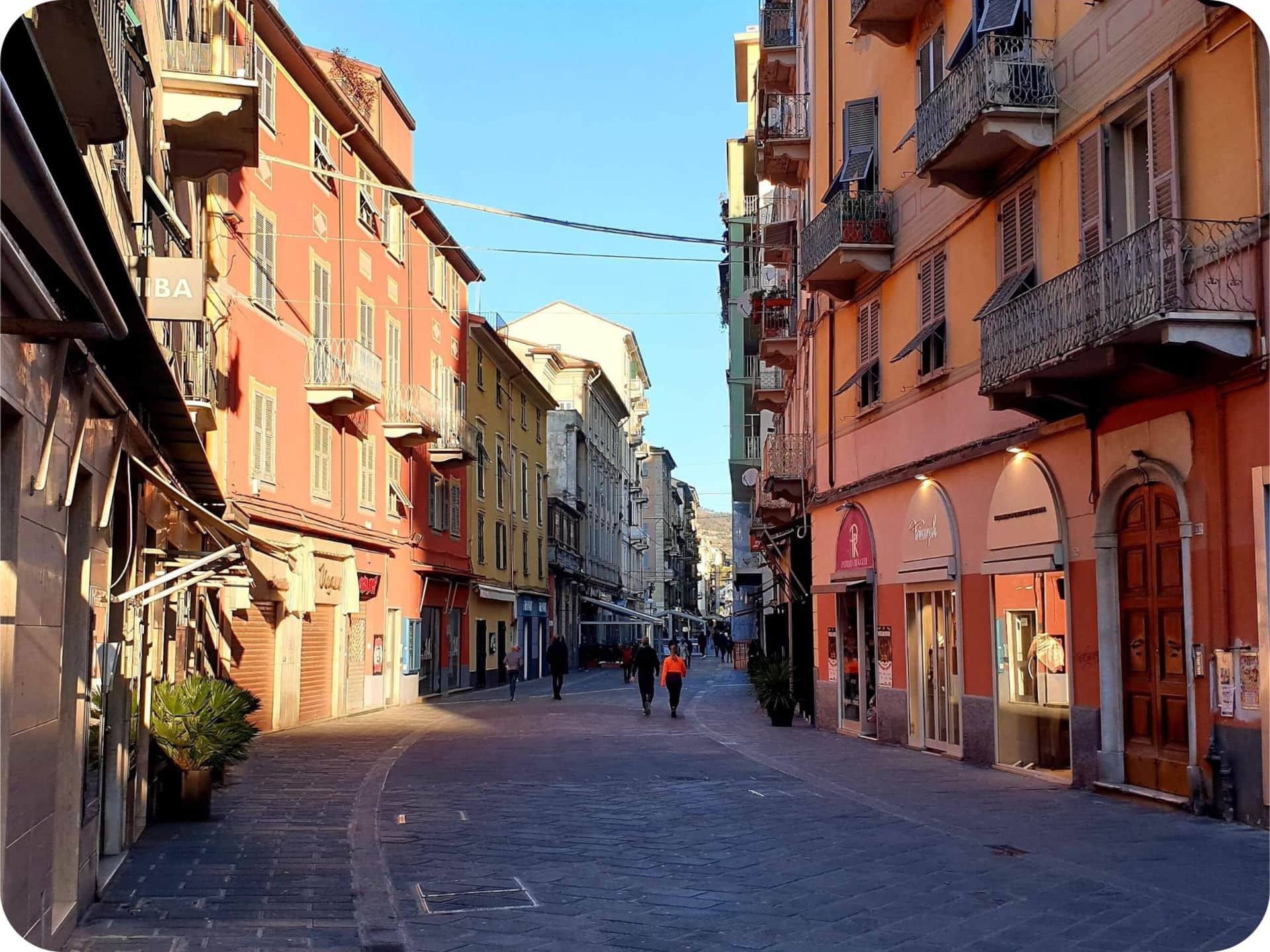
Via del Prione
Your tour of the historical center of La Spezia should definitely include Via del Prione, as it is the city's most important street. Strolling along this historic thoroughfare will immerse you in the local atmosphere, making it feel as though time has stood still.
Via del Prione has always been a gathering place for residents of La Spezia. Its name comes from the Genoese word “pria,” meaning stone, which refers to the pulpit that was used by town criers during citizens’ assemblies in ancient times.
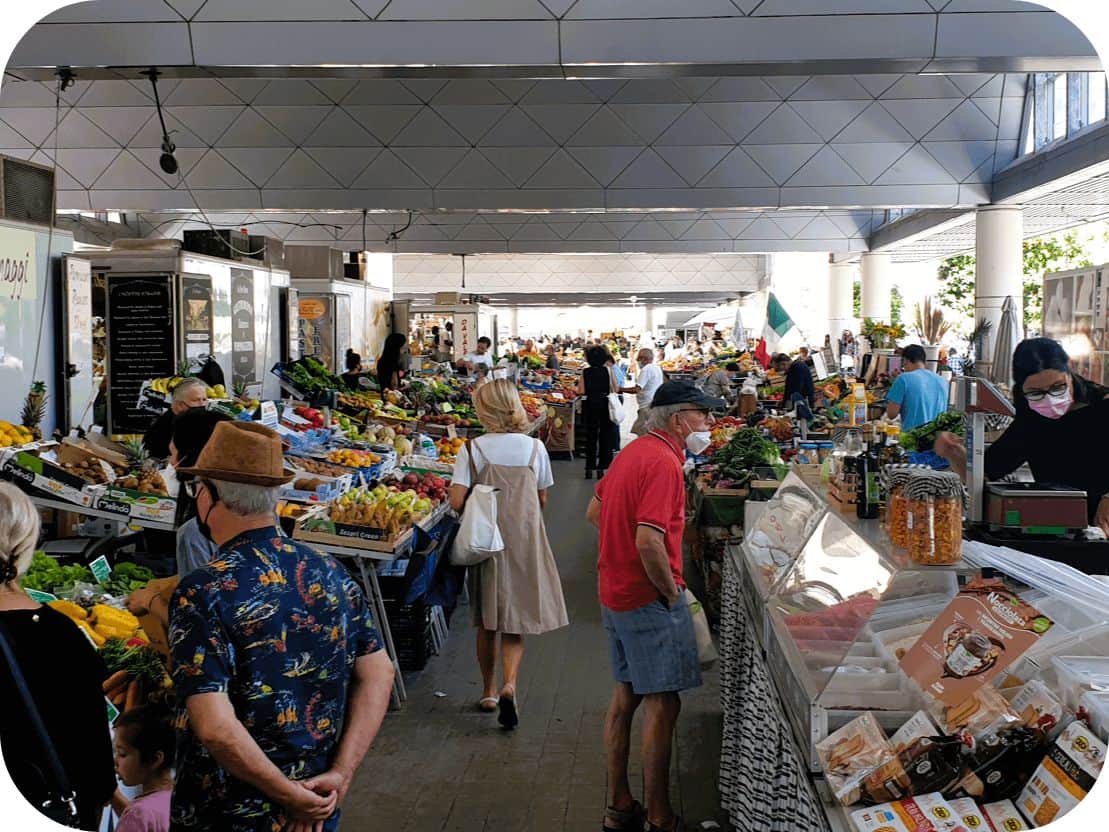
La Spezia Food Market
The market in Piazza Cavour is a vibrant hub for both locals and tourists, offering a cultural and gastronomic experience that deepens their understanding of the city's history. Every day, producers from the surrounding area gather here to showcase their goods. You can find dried and pickled mushrooms, as well as truffles from Lunigiana, and honey along with other regional products from Ameglia.
The market also features fresh fish stalls, a variety of fruits and vegetables, butcher shops, and delicatessens, ensuring a diverse selection for visitors.
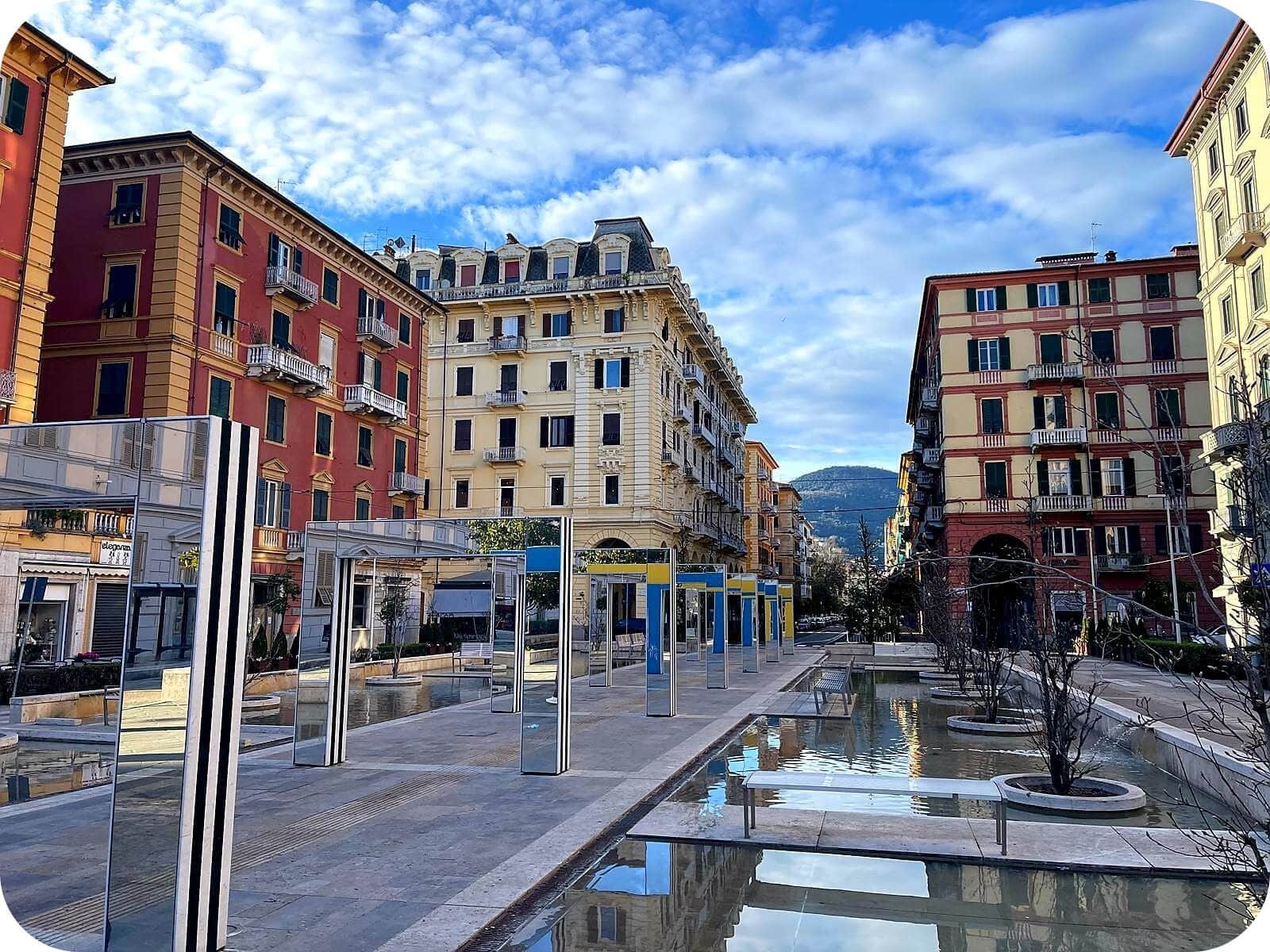
Piazza Verdi
Piazza Verdi is a venue for events and music concerts, dedicated to the renowned Italian composer Giuseppe Verdi.
The redesign of the square was led by Florentine architect Giannantonio Vannetti, with contributions from French artist Daniel Buren. Buren focused on public art installations, creating stained glass windows that have a striking visual impact. These installations invite movement, encouraging both tourists and residents to explore and enjoy the space of Piazza Verdi.
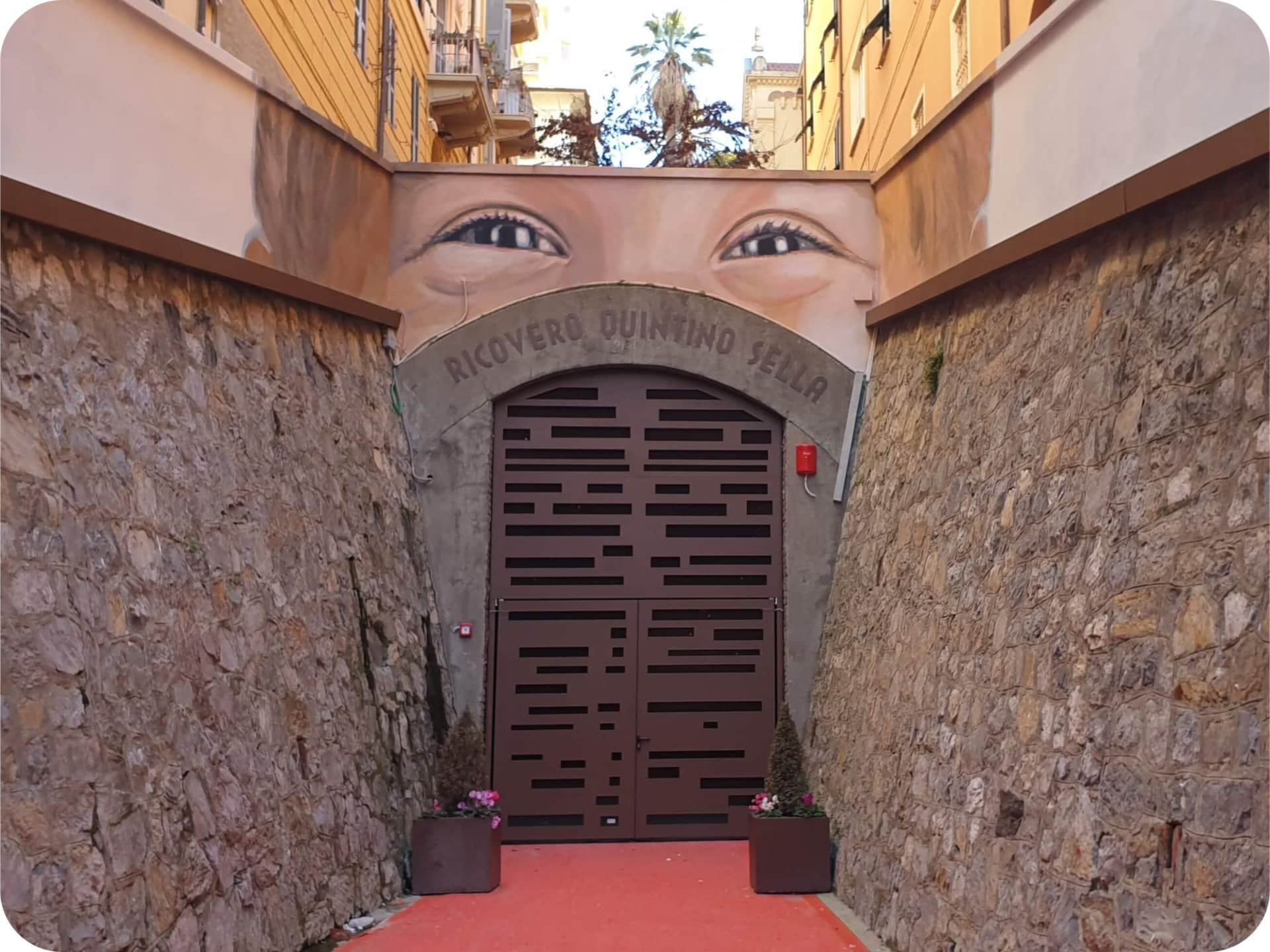
Galleria Quintino Sella
The anti-aircraft shelter on Via del Prione in La Spezia, known as Galleria Quintino Sella, has recently been restored and transformed into a multimedia museum.
Originally built in 1942, this historic space was designed to protect up to 6,500 people from the bombings during the Second World War.
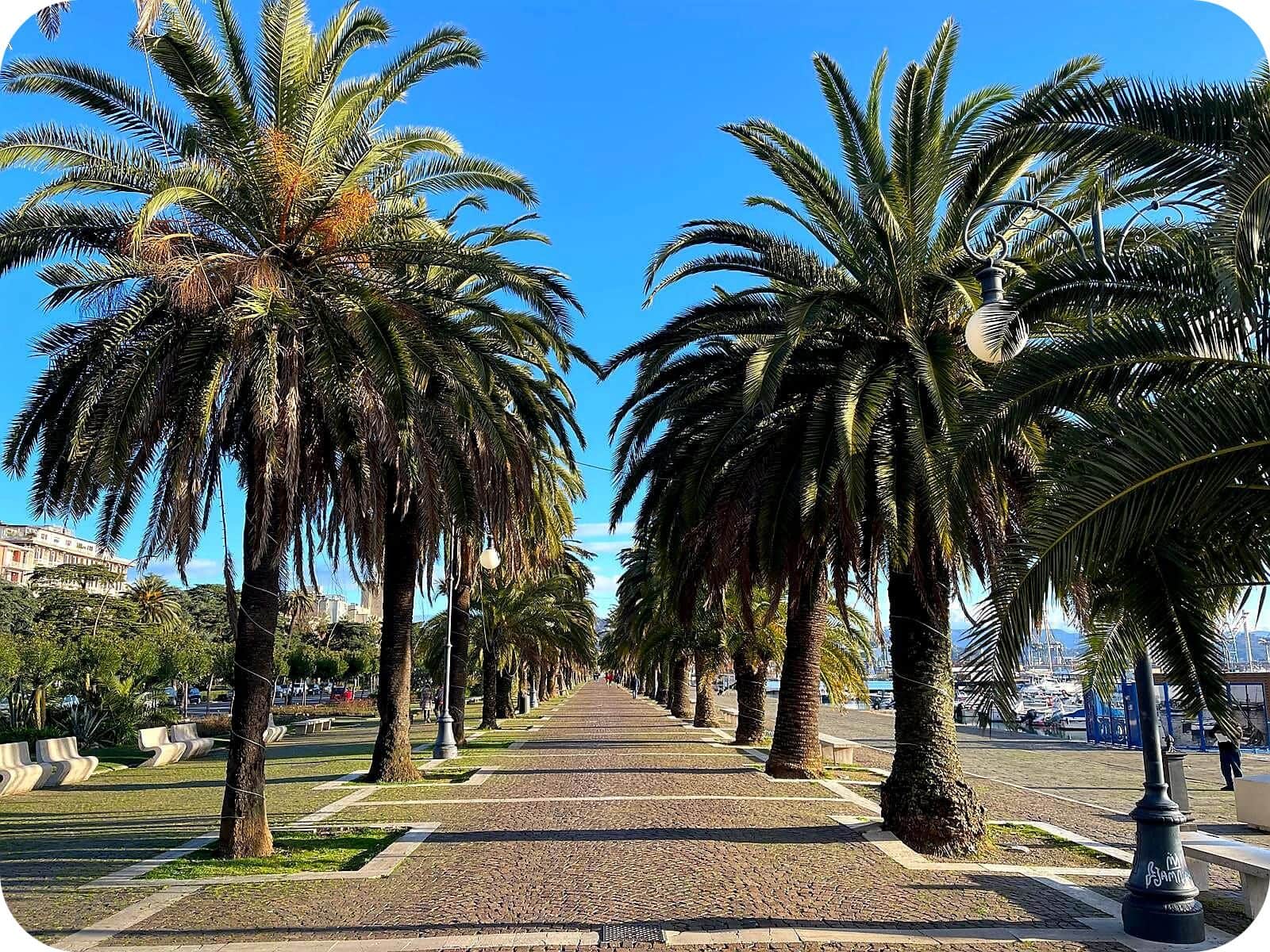
Seafront Promenade
Stroll along the seafront promenade lined with palm trees and beautiful manicured gardens.
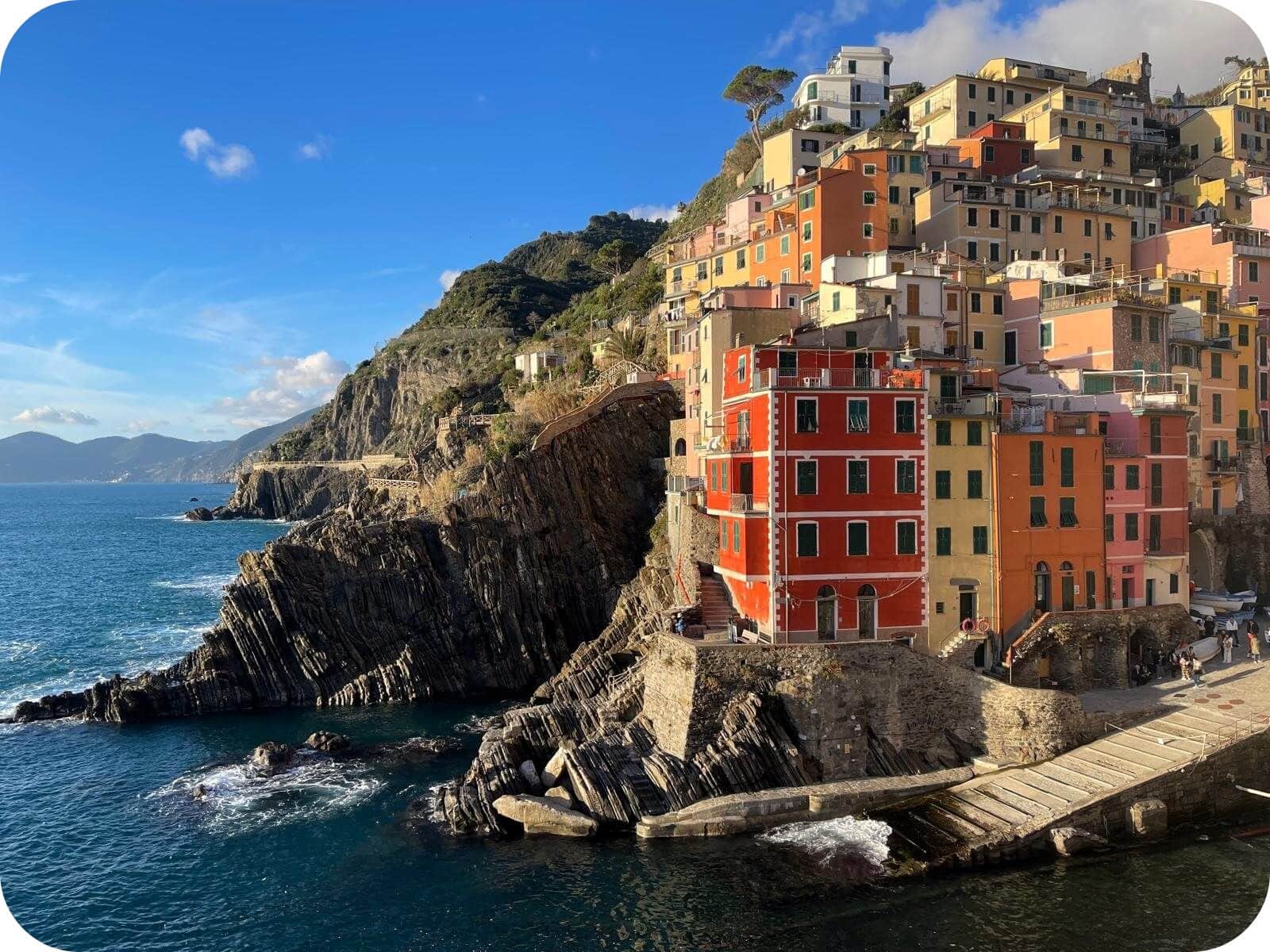
Riomaggiore Cinque Terre
Riomaggiore is the easternmost village of the Cinque Terre, home to 1,353 residents. The village has preserved its medieval structure, featuring tower houses that are closely packed together. The houses, which are three to four stories tall, are painted in the characteristic colors of Liguria. Daily life for residents primarily unfolds along the road that leads uphill, where there are many shops, cafes, and restaurants.
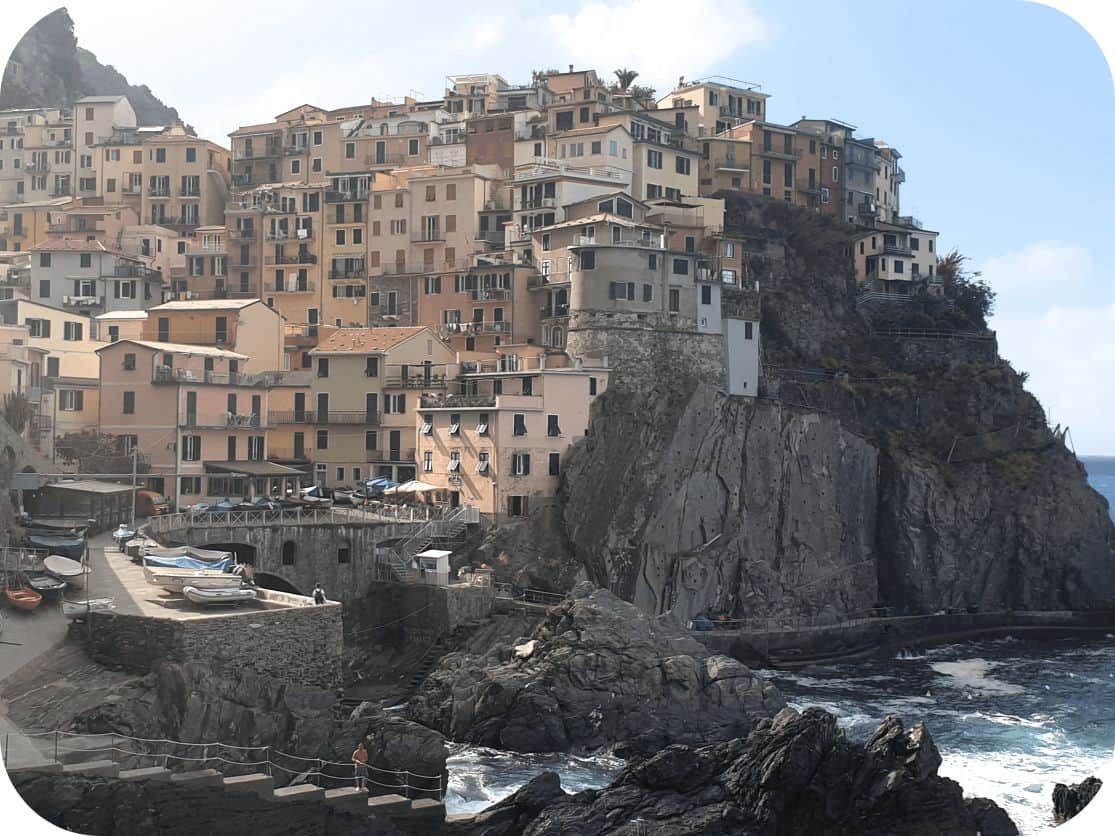
Manarola Cinque Terre
Manarola is likely the oldest town in the Cinque Terre. The foundation stone of the Church of San Lorenzo was laid in 1160. Manarola is known for its wine production and fishing traditions. The local wine, called Sciacchetrà, is particularly notable.
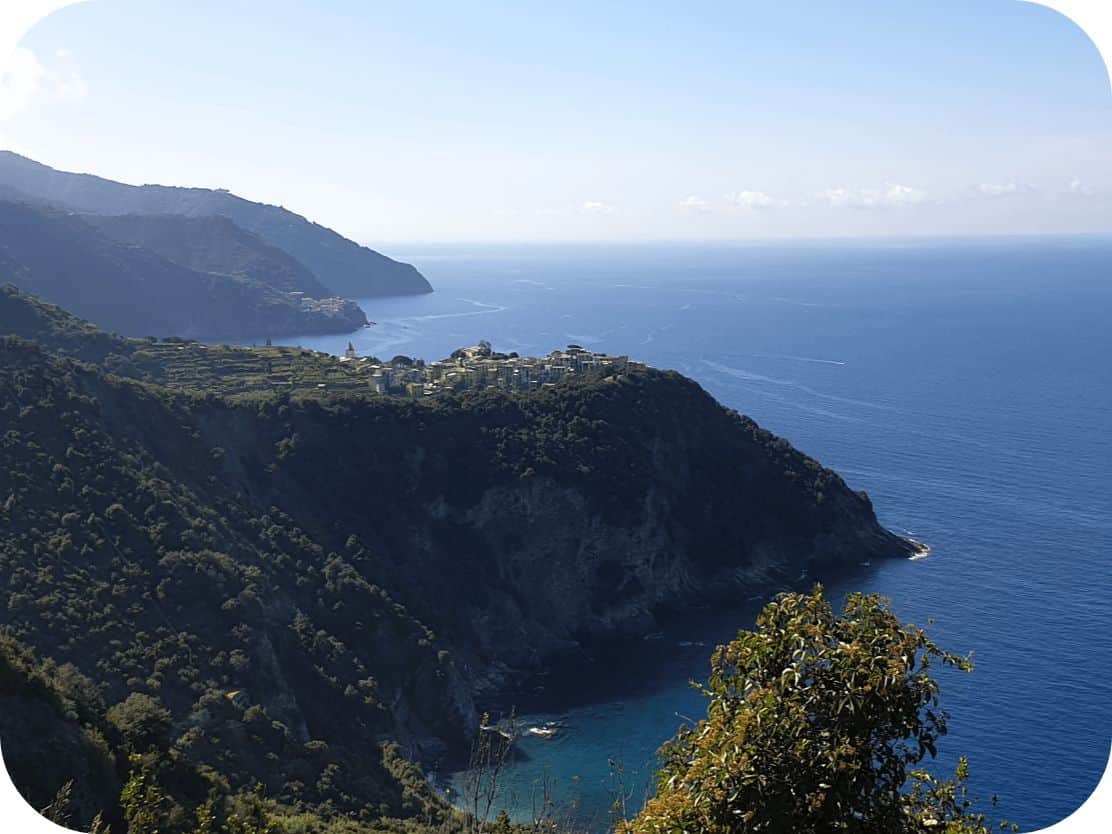
Corniglia Cinque Terre
This village is the only one in the Cinque Terre that is not situated directly by the sea; instead, it rests on a mountain promontory approximately 100 meters above sea level. It is surrounded by three extensive vineyard areas and has a steep cliff that faces the sea.
The village is home to around 250 inhabitants.
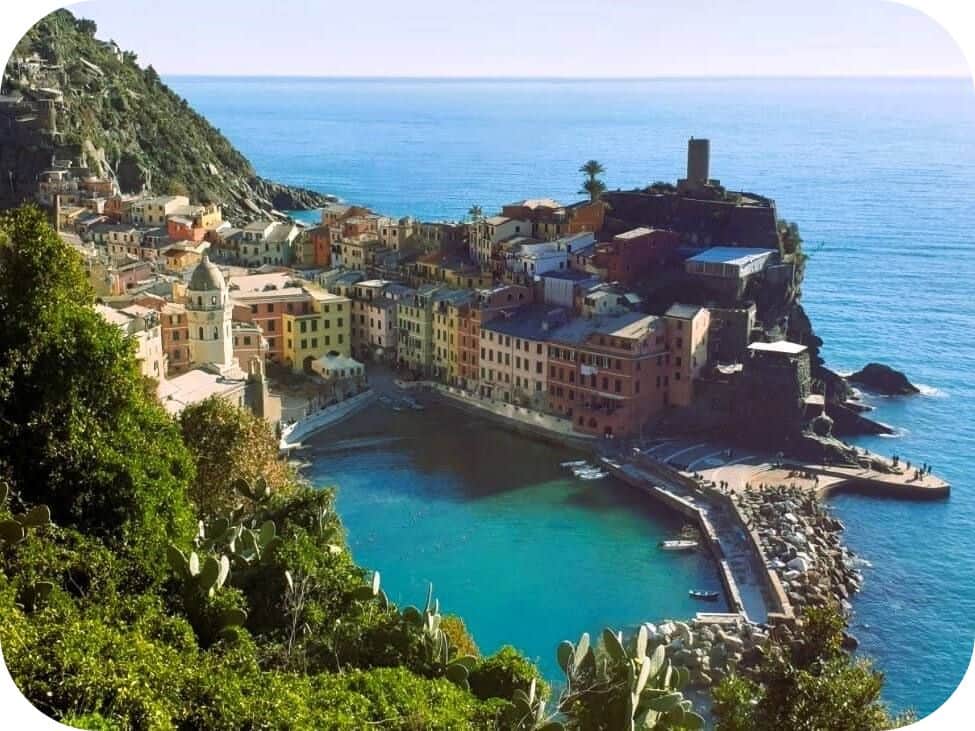
Vernazza Cinque Terre
Vernazza is one of the five centuries-old villages in the Cinque Terre region along the rugged Ligurian coast of northwest Italy. The village features a small marina surrounded by colorful houses. A notable landmark is the medieval Doria Castle, which has a cylindrical tower that was historically used for defense.
Vernazza is a municipality with approximately 759 residents and is the second northernmost village among the five that comprise the Cinque Terre.
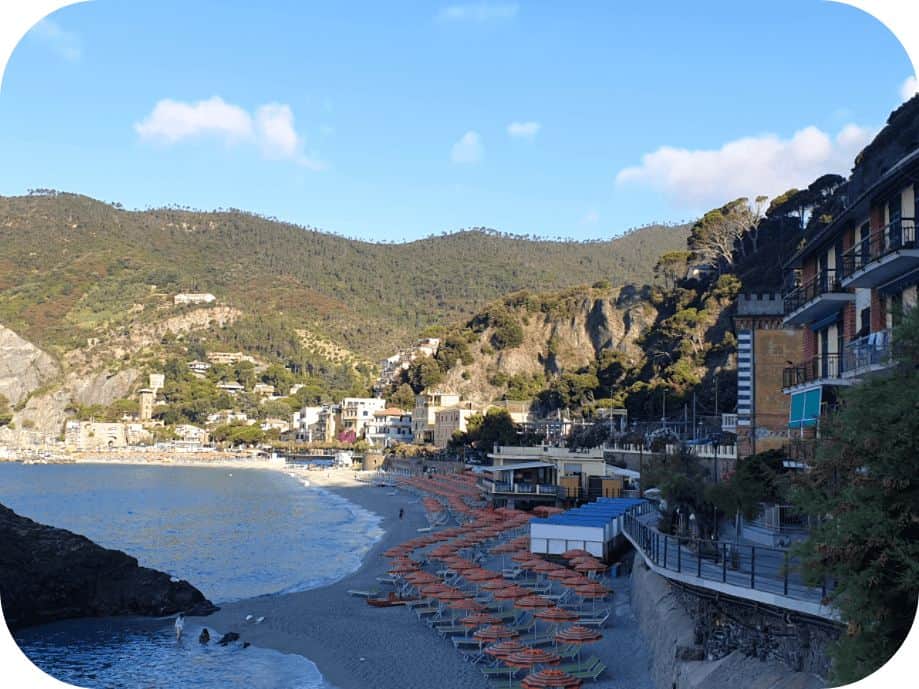
Monterosso al Mare
Monterosso, located on the Ligurian coast, is the largest town in the Cinque Terre, a stretch of coastline that includes five villages over twelve kilometers. It is the northernmost of these villages. The charming old town is separated from the newer Fegina district by a rocky outcrop that juts into the sea, featuring the impressive 16th-century watchtower, Torre Aurora. A pedestrian tunnel, approximately 100 meters long, goes through this rock formation.
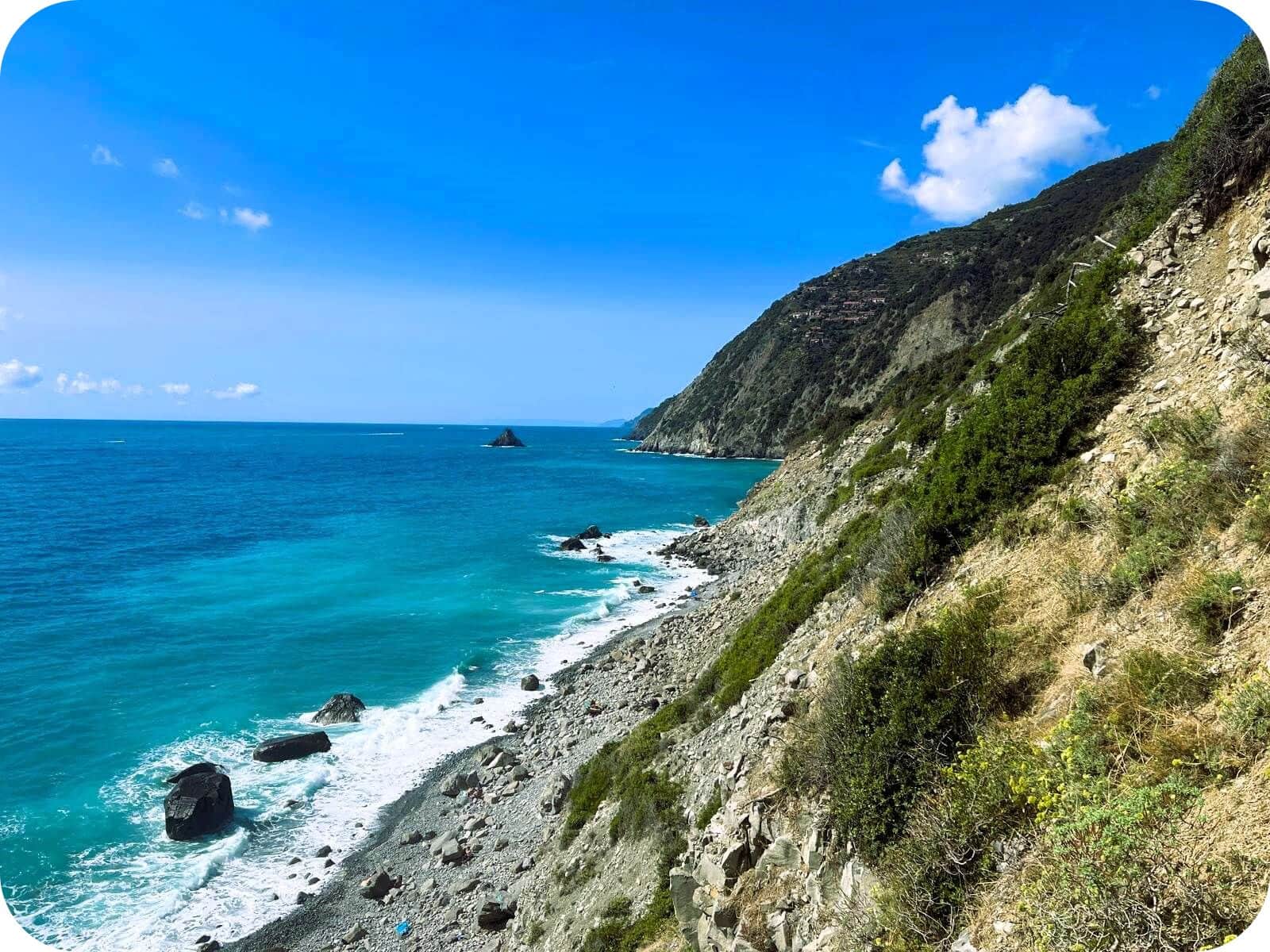
Spiaggia del Persico
The journey begins in the village of Campiglia, located approximately 400 meters above sea level, where the breathtaking sea view awaits. From the main piazza, a hiking trail with about 2,000 stairs descends to the ocean. This rocky beach is a hidden gem.
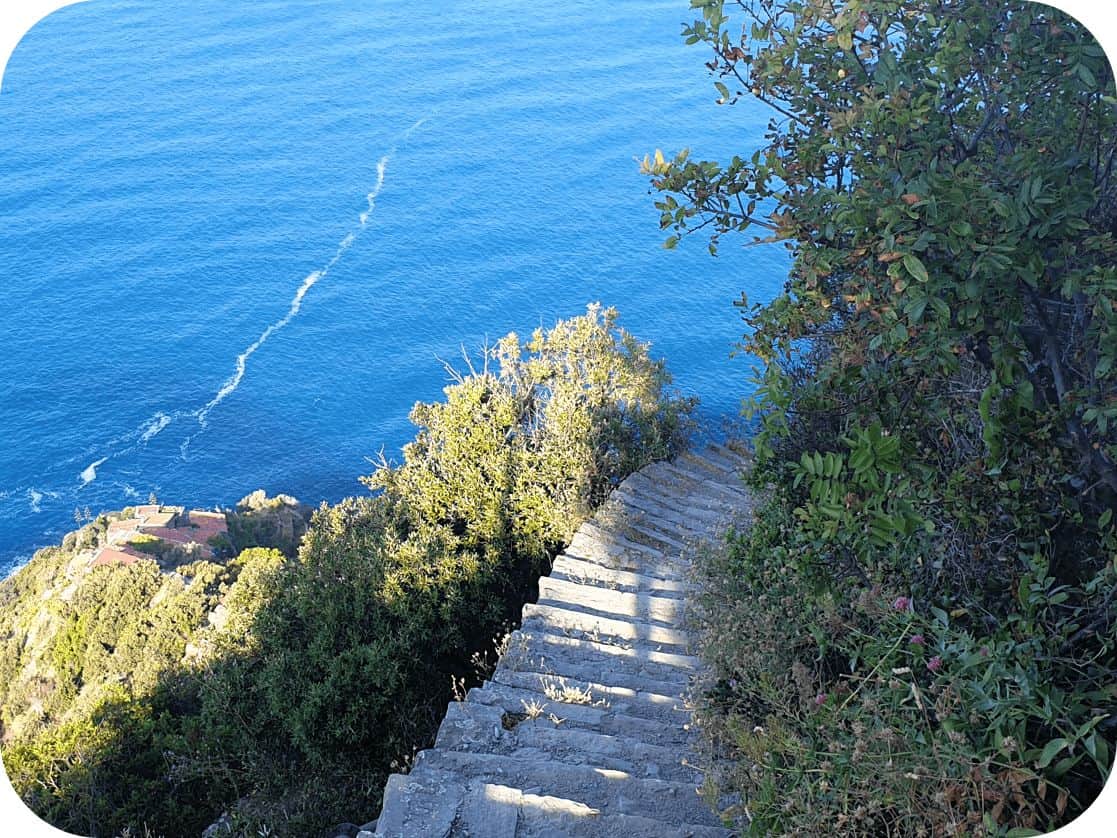
Monesteroli
The Scalinata di Monesteroli retains a unique charm that sits between the past and the present. It serves as the only access point to the ancient village of Monesteroli, which overlooks the sea. This historic cluster of houses was likely founded by a group of monks. Visitors can reach Monesteroli by walking down nearly two thousand steps, carefully descending through woods and vineyards.
Although many of the houses are only partially inhabited today, they were once places where the fine wine of the Cinque Terre was produced. The final stretch of the stairway leads to the small beach of Monesteroli, which was partially impacted by a landslide a few years ago but remains accessible. Those who make the long walk are rewarded with the chance to enjoy a refreshing swim in the sea.
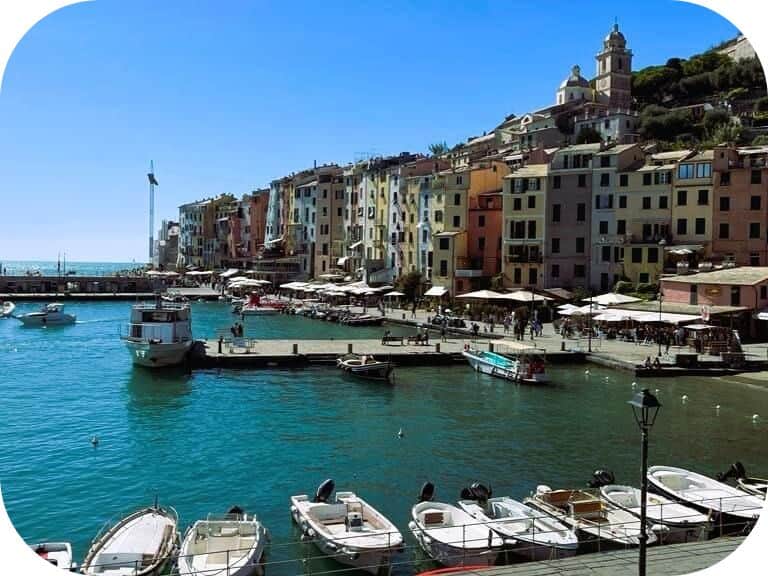
Portovenere
Portovenere is a beautiful and fascinating fishing village with approximately 3,300 residents. It, along with the Cinque Terre and the nearby islands of Palmaria, Tino, and Tinetto, is designated as a UNESCO World Heritage Site.
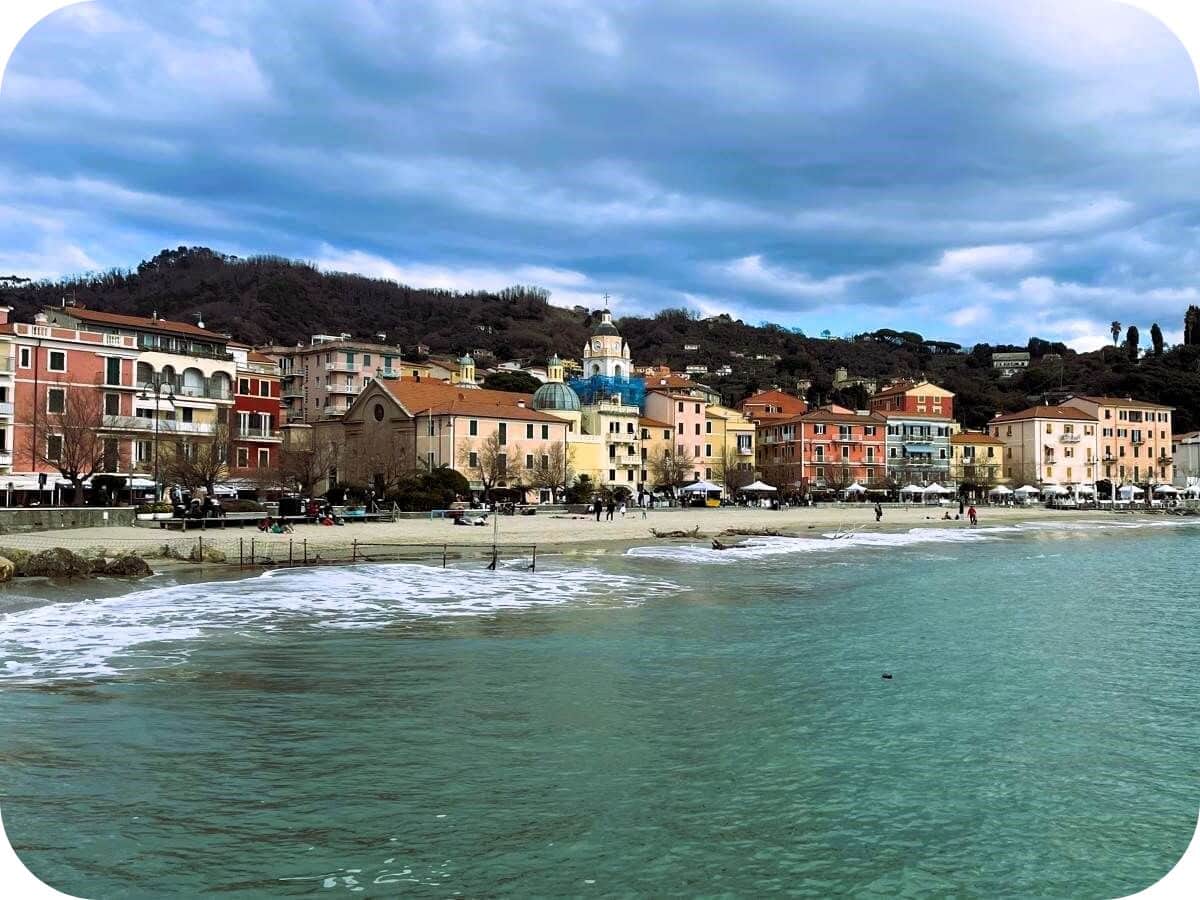
San Terenzo
San Terenzo is situated just 1 km away from Lerici. This charming town is located directly on the sea and features a small harbor as well as a sandy beach that lies along the promenade. To the east, San Terenzo is bordered by a hill with steep slopes, which is home to the Villa Marigola property.
The current castle, Castello di San Terenzo, was likely constructed in the 15th century by the local villagers to protect themselves from pirates.
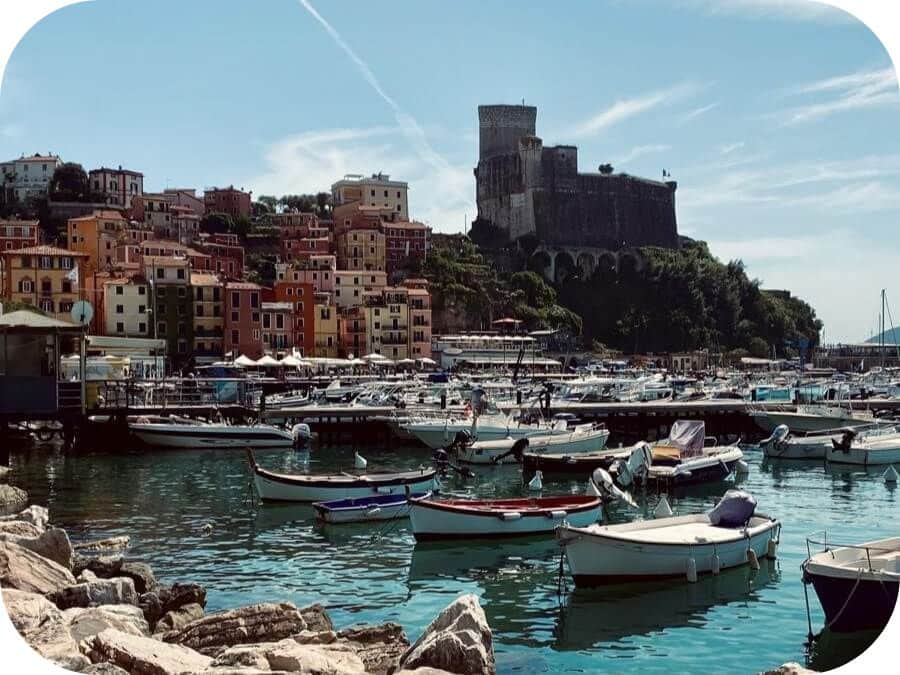
Lerici
Lerici is home to approximately 9,497 residents and is situated eleven kilometers from the provincial capital, La Spezia. It lies on the eastern shore of the Gulf of La Spezia, also known as the Golfo dei Poeti. Directly across from Lerici is Porto Venere. Notably, Lord Byron once swam across the Gulf of La Spezia from Porto Venere to Lerici.
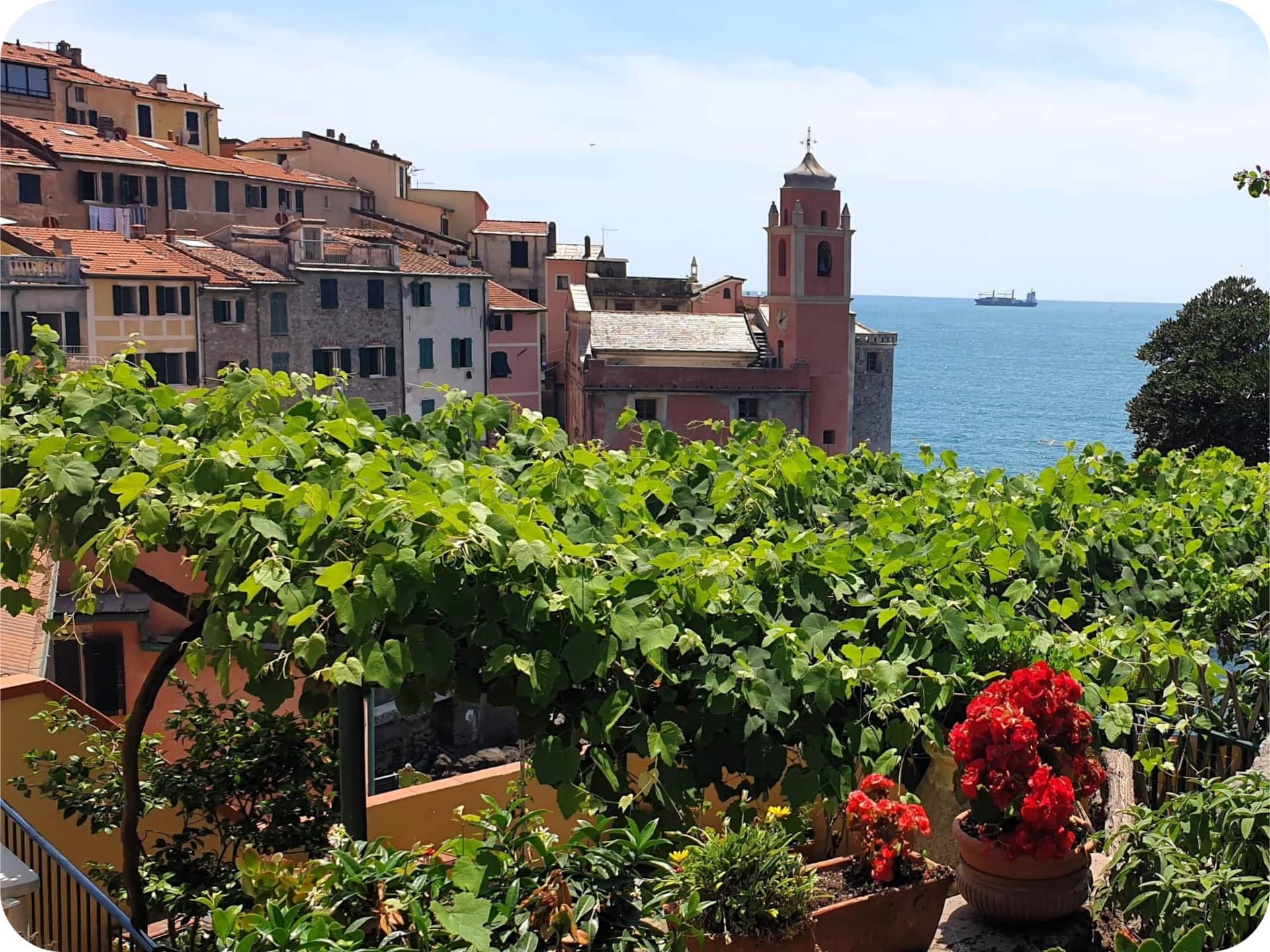
Tellaro
The small fishing village of Tellaro is situated in the Golfo di La Spezia, also known as the Golfo dei Poeti - Bay of the Poets. It is one of the most beautiful villages in Italy. "I borghi più belli d'Italia"
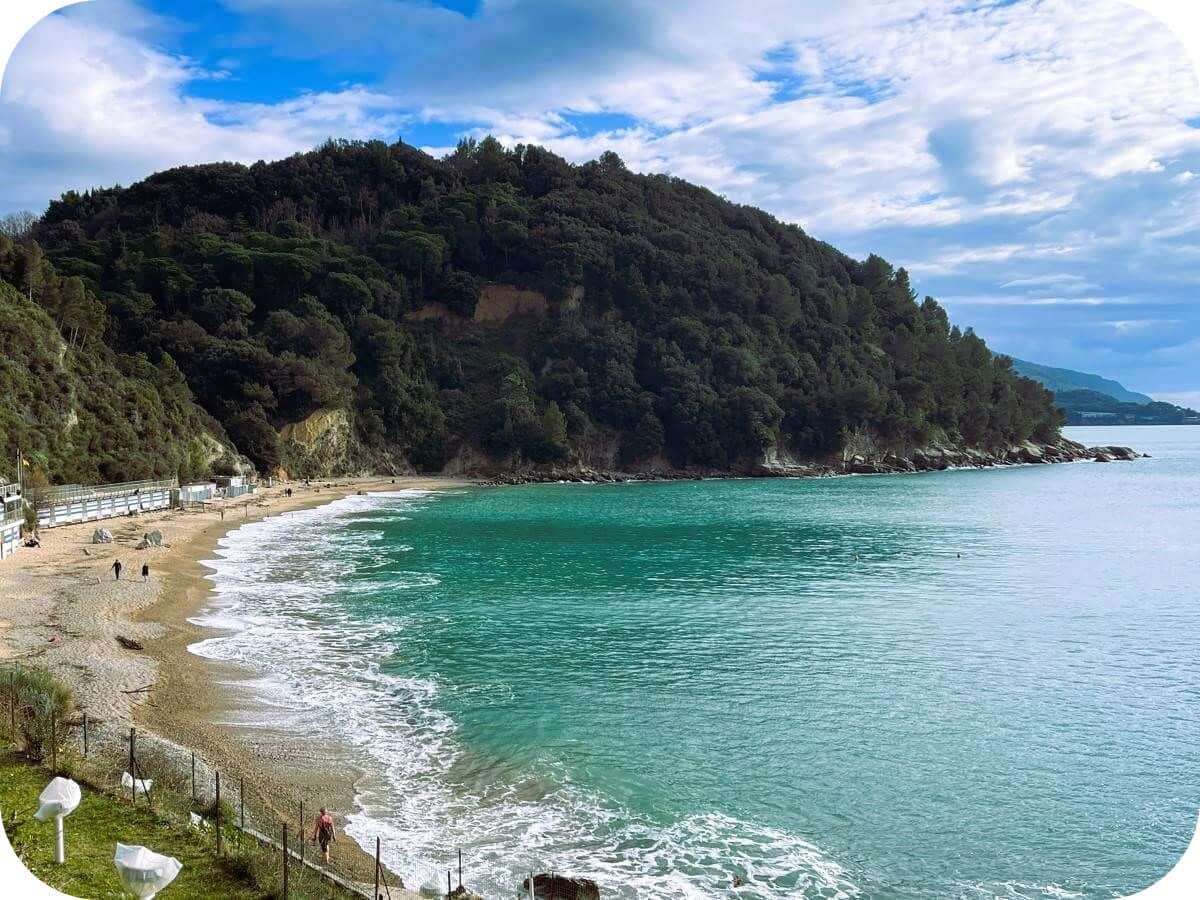
Baia Blu
A beautiful beach in a bay surrounded by green slopes and crystal clear sea